10 Best Smart Home Devices for 2026
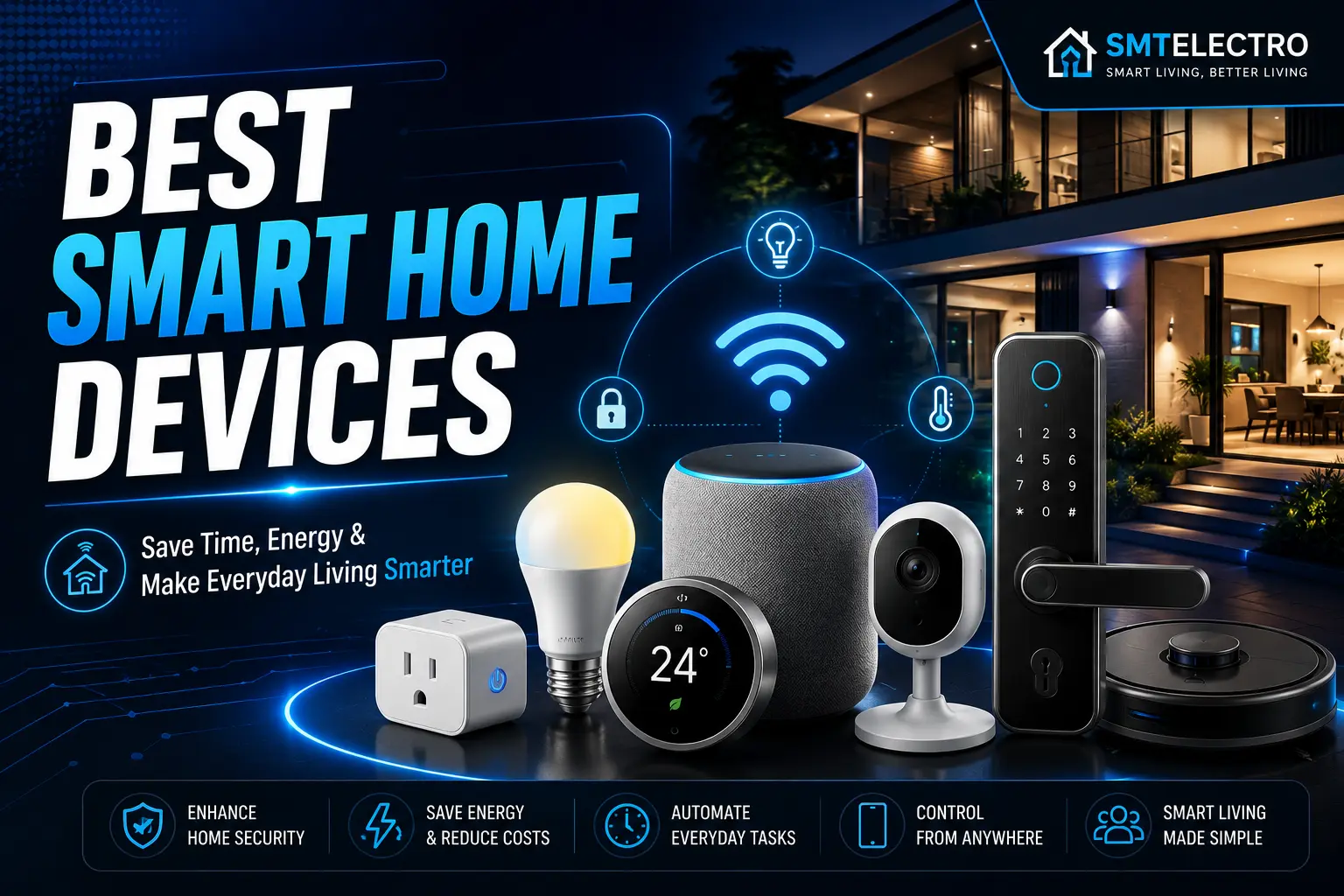
Discover the best smart home devices in 2026 to save time, reduce energy bills, and make everyday life easier. Compare the top smart gadgets before you buy.
10 Best Smart Home Devices That Save Time and Energy in 2026
Technology has transformed the way we live, and smart home devices are now making everyday tasks easier than ever. From cleaning your floors automatically to controlling your home’s temperature with your smartphone, these intelligent devices help save time, reduce energy consumption, and improve overall convenience.
Whether you’re building your first smart home or upgrading your current setup, choosing the right products can make a significant difference. However, with so many options available, it can be difficult to know which devices are actually worth buying.
In this guide, we’ll explore the best smart home devices in 2026, explain how they work, discuss their key benefits, and help you choose the right products for your needs.
Quick Comparison
| Device | Best For | Main Benefit |
| Smart Thermostat | Saving energy | Lower electricity bills |
| Robot Vacuum | Automatic cleaning | Saves daily cleaning time |
| Smart Air Purifier | Indoor air quality | Cleaner and healthier air |
| Smart Lighting | Convenience | Remote lighting control |
| Smart Security Camera | Home protection | 24/7 monitoring |
| Smart Door Lock | Home security | Keyless access |
| Smart Sprinkler | Lawn care | Water savings |
| Smart Kitchen Appliance | Cooking | Faster meal preparation |
| Smart Plug | Beginners | Affordable automation |
| Smart Home Hub | Complete setup | Controls all smart devices |
Why Smart Home Devices Are Worth Buying
Smart home technology isn’t just about convenience—it also helps improve efficiency and reduce household costs.
Some of the biggest benefits include:
- Save electricity through automation
- Reduce daily household chores
- Improve home security
- Monitor your home remotely
- Increase comfort and convenience
- Better control over appliances
- Lower utility bills over time
Many modern smart devices also work with voice assistants like Google Assistant and Amazon Alexa, allowing you to control your home using simple voice commands.
1. Smart Thermostats
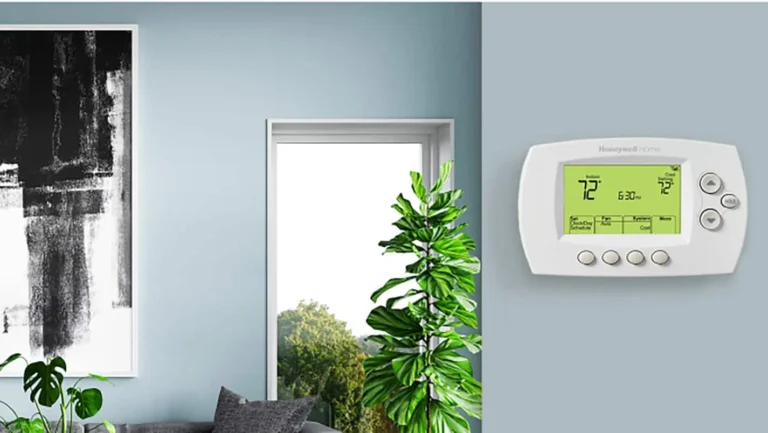
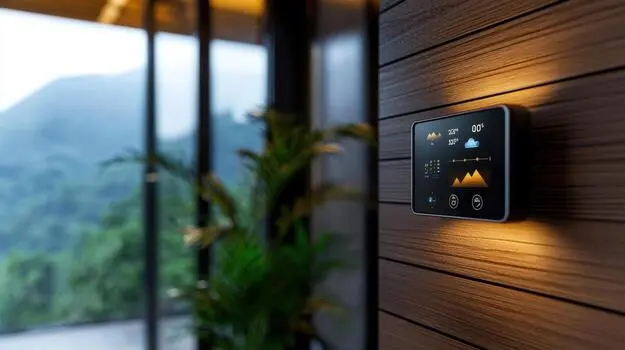
A smart thermostat is one of the most useful upgrades you can make for your home.
Unlike traditional thermostats, smart models learn your daily routine and automatically adjust the temperature to keep your home comfortable while reducing energy usage.
Key Features
- Automatic scheduling
- Smartphone control
- Energy usage reports
- Weather adaptation
- Voice assistant compatibility
Why Buy One?
Heating and cooling usually account for the largest portion of household electricity usage. A smart thermostat helps reduce unnecessary energy consumption without sacrificing comfort.
Best For
- Homeowners
- Families
- Remote workers
- Energy-conscious users
Choosing the Best Thermostats for Your Home in 2026
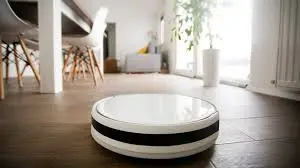
2. Robot Vacuum Cleaners
Cleaning floors every day can be tiring, especially in busy households. Robot vacuums make this task almost effortless.
Modern robot vacuums use advanced sensors and AI-powered navigation to clean your home efficiently while avoiding furniture and obstacles.
Key Features
- Smart home mapping
- Scheduled cleaning
- Automatic charging
- Obstacle detection
- App control
Benefits
- Saves time
- Great for pet owners
- Cleans while you’re away
- Keeps floors consistently clean
3. Smart Air Purifiers
Indoor air pollution is often worse than outdoor air quality. Dust, smoke, allergens, and pet dander can all affect your health.
Smart air purifiers continuously monitor air quality and automatically adjust fan speed when pollution levels increase.
Benefits
- Cleaner indoor air
- Removes allergens
- Reduces unpleasant odors
- Improves sleep quality
- Real-time air quality monitoring
Best For
- Allergy sufferers
- Families with children
- Pet owners
- Urban homes
Many premium models also provide air quality reports directly through their mobile apps.
4. Smart Lighting Systems
Smart lighting is one of the easiest ways to start building a smart home.
Instead of manually switching lights on and off, smart bulbs can be controlled through your smartphone or voice assistant.
Features
- Brightness control
- Color changing
- Voice commands
- Scheduling
- Energy-efficient LED technology
Benefits
- Lower electricity consumption
- Improved home security when you’re away
- Convenient remote control
- Customized lighting scenes for different activities
Smart lighting is perfect for both beginners and experienced smart home users.
5. Smart Security Cameras
Keeping your home safe has never been easier.
Modern smart security cameras offer real-time monitoring, motion detection, two-way audio, and instant mobile notifications.
Key Features
- HD video recording
- Night vision
- Motion alerts
- Cloud storage
- Two-way communication
Why They’re Worth Buying
Key Features
- Keyless entry
- Mobile app control
- Fingerprint or PIN access
- Remote locking and unlocking
- Access history and notifications
Benefits
- No more lost keys
- Better home security
- Easy guest access
- Convenient for Airbnb or rental properties
- Peace of mind while away from home
If you’re looking to improve home security, a smart door lock is one of the most practical investments.
7. Smart Sprinkler Controllers
Maintaining a healthy lawn doesn’t have to mean wasting water. Smart sprinkler controllers automatically adjust watering schedules based on local weather conditions.
Instead of watering your garden every day, these devices analyze rainfall, temperature, and soil conditions to determine when watering is actually needed.
Why Choose a Smart Sprinkler?
- Saves water
- Reduces utility bills
- Healthier plants
- Automatic scheduling
- Remote management
8. Smart Kitchen Appliances
Kitchen technology has improved dramatically over the past few years. Smart appliances can now help you cook faster, reduce energy usage, and simplify meal preparation.
Popular smart kitchen products include:
- Smart Air Fryers
- Smart Coffee Makers
- Smart Ovens
- Smart Refrigerators
- Smart Dishwashers
Many of these appliances connect to your smartphone, allowing you to monitor cooking progress, receive notifications, or even start certain functions remotely.
Benefits
- Faster cooking
- Better energy efficiency
- Easier meal planning
- Remote monitoring
- Convenient automation
9. Smart Plugs
If you’re new to smart home technology, smart plugs are the perfect place to start.
These affordable devices plug into a standard wall outlet and instantly add smart functionality to almost any appliance.
You can schedule appliances to turn on or off automatically, control them from your phone, or even use voice commands.
Great Uses for Smart Plugs
- Coffee makers
- Table lamps
- Fans
- Phone chargers
- Holiday lights
Benefits
- Low cost
- Easy installation
- Energy savings
- No rewiring required
Smart plugs are one of the easiest and most budget-friendly ways to begin building a connected home.
10. Smart Home Hubs
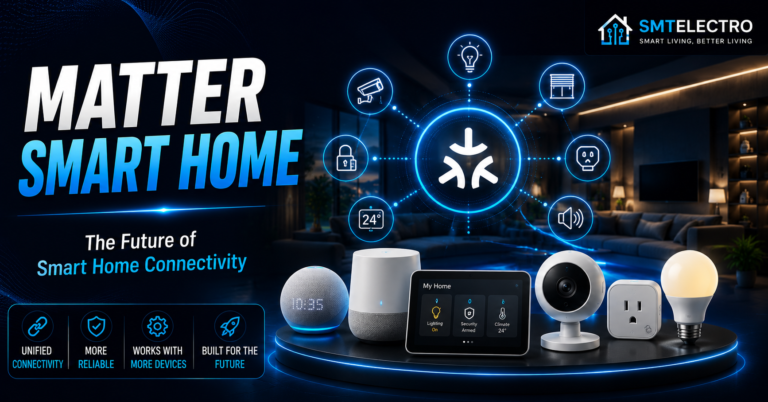
As you add more smart devices to your home, managing each one individually can become difficult.
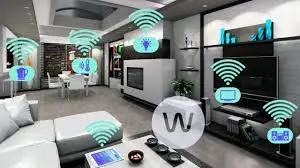
A smart home hub solves this problem by connecting multiple devices into a single system.
Instead of opening different apps, you can control lights, cameras, thermostats, locks, and other devices from one central dashboard.
Popular Features
- Centralized control
- Device automation
- Voice assistant integration
- Custom routines
- Better compatibility between brands
Why It Matters
If you plan to build a complete smart home ecosystem, a smart home hub makes daily management much simpler.
For example, you can create a “Good Night” routine that automatically turns off lights, locks doors, lowers the thermostat, and activates security cameras with a single tap.
How to Choose the Right Smart Home Device
Before buying any smart home device, consider the following factors.
1. Compatibility
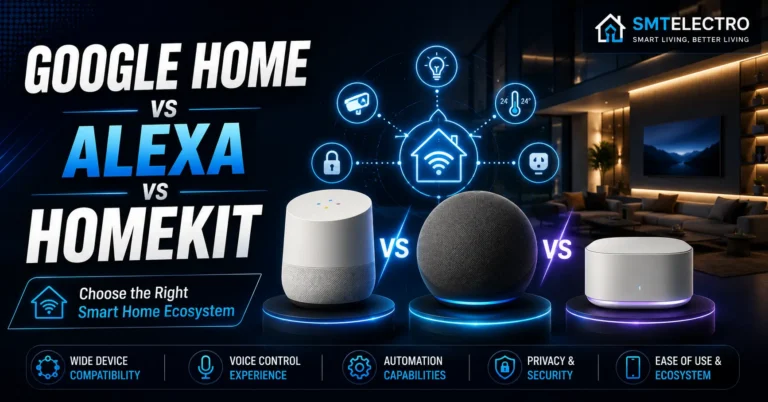
Always make sure the device works with your existing smart home ecosystem, whether it’s Google Home, Amazon Alexa, or Apple HomeKit.
2. Ease of Installation
Some devices require professional installation, while others can be installed within minutes.
Choose products that match your technical experience.
3. Mobile App Quality
A good mobile app should be easy to use, reliable, and regularly updated.
4. Energy Efficiency
Look for products designed to reduce electricity or water consumption over time.
5. Customer Reviews
Reading verified customer reviews can help you avoid unreliable products and choose models with proven performance.
6. Warranty and Support
Buying from trusted brands with good customer support can save you money and frustration in the long run.
Final Verdict
Smart home technology has become more practical, affordable, and useful than ever before. Whether your goal is to save time, reduce energy costs, improve home security, or simply make everyday life more convenient, there is a smart device designed to meet your needs.
If you’re building your first smart home, start with devices that provide the biggest day-to-day benefits, such as a smart thermostat, robot vacuum, or smart lighting system. As your needs grow, you can gradually add security cameras, smart kitchen appliances, and a smart home hub to create a fully connected home.
The best smart home devices aren’t always the most expensive—they’re the ones that fit your lifestyle, solve real problems, and work seamlessly together. Before buying, compare features, check compatibility with your preferred smart home platform, and read customer reviews to ensure you’re making the right investment.
With technology continuing to evolve in 2026, now is an excellent time to upgrade your home with smart devices that make everyday living easier, more efficient, and more enjoyable.
FAQs
Are smart home devices really worth buying in 2026?
Yes. Modern smart home devices are more reliable, affordable, and energy-efficient than ever before. They can automate everyday tasks, improve home security, and help reduce electricity bills over time. For many homeowners, the convenience alone makes them a worthwhile investment.
Which smart home device should I buy first?
If you’re just starting your smart home journey, these are the best beginner-friendly options:
Smart Plug
Smart Thermostat
Smart Lighting
Robot Vacuum
These devices are easy to install and provide immediate benefits without requiring a complete smart home setup.
Do smart home devices save electricity?
Yes. Devices like smart thermostats, smart lighting systems, and smart plugs are specifically designed to reduce unnecessary energy consumption.
For example:
Smart thermostats automatically adjust heating and cooling based on your schedule.
Smart lights turn off automatically when not in use.
Smart plugs help prevent appliances from consuming standby power.
Over time, these small savings can noticeably reduce your monthly electricity bill.
Can smart home devices work without Wi-Fi?
Some devices offer basic offline functionality, but most smart features—such as remote control, voice commands, scheduling, and automation—require a stable Wi-Fi connection.
Are smart home devices secure?
Most well-known brands use encrypted connections and regular software updates to protect user data. To improve security:
Use strong passwords.
Enable two-factor authentication whenever available.
Keep device firmware updated.
Buy products from trusted manufacturers.
Following these simple steps will help keep your smart home secure.