Google Home vs Alexa vs HomeKit: Which is Best in 2026?
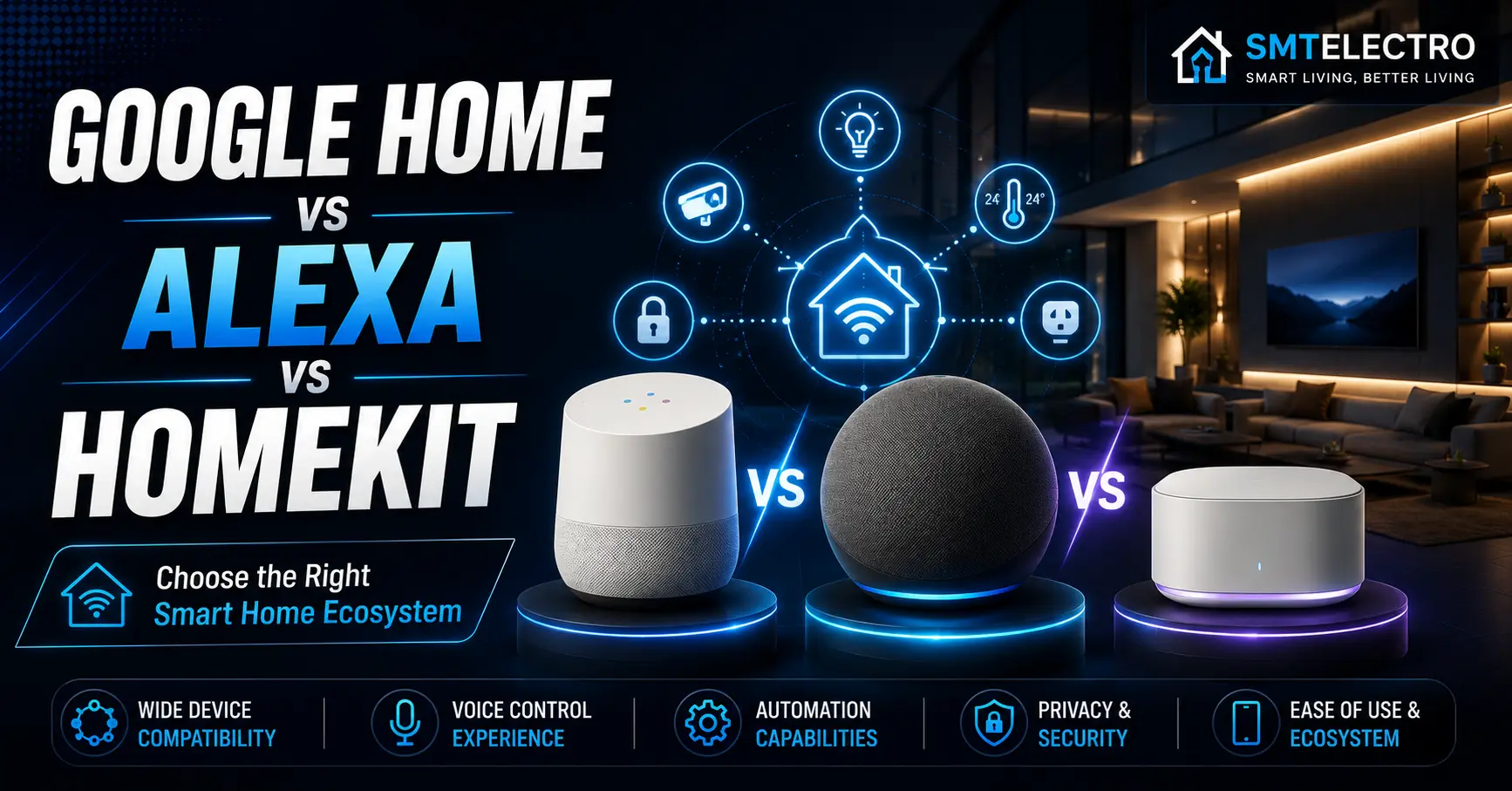
Google Home vs Alexa vs HomeKit. Smart home technology has changed the way people interact with their homes. Instead of manually adjusting lights, thermostats, security cameras, or smart appliances, you can now control almost everything using voice commands or a smartphone.
However, choosing the right smart home ecosystem isn’t always easy. Three major platforms dominate the market today: Google Home, Amazon Alexa, and Apple HomeKit. Each offers unique features, device compatibility, and automation capabilities, making the decision confusing for first-time buyers.
If you’re planning to build or upgrade a smart home in 2026, selecting the right ecosystem is one of the most important decisions you’ll make. Switching platforms later can be expensive and inconvenient, especially if you’ve already invested in multiple smart devices.
In this guide, we’ll compare Google Home, Amazon Alexa, and Apple HomeKit in detail. We’ll examine their features, compatibility, ease of use, privacy, pricing, automation capabilities, and overall value to help you choose the platform that best fits your needs.
Quick Comparison
| Feature | Google Home | Amazon Alexa | Apple HomeKit |
| Best For | Android users | Smart home automation | Apple users |
| Voice Assistant | Google Assistant | Alexa | Siri |
| Device Compatibility | Excellent | Excellent | Limited but growing |
| Ease of Setup | Easy | Very Easy | Easy |
| Automation | Excellent | Excellent | Very Good |
| Privacy | Good | Good | Excellent |
| Smart Speaker | Nest Speakers | Echo Devices | HomePod |
| Mobile App | Google Home | Alexa App | Apple Home App |
Why Your Smart Home Ecosystem Matters
Many people focus only on buying individual smart devices, but the ecosystem you choose has a much bigger impact on your overall experience.
Your smart home platform controls how all of your devices communicate with one another. It determines whether your lights, cameras, locks, thermostats, and appliances work together smoothly or require separate apps for every task.
Choosing the right ecosystem offers several advantages:
- Easier device management
- Better automation
- Voice control throughout your home
- Improved security
- Long-term compatibility
- Fewer connectivity issues
If you choose wisely from the beginning, expanding your smart home in the future becomes much simpler.
10 Best Smart Home Devices for 2026
Google Home Overview
Google Home is powered by Google Assistant, one of the most intelligent voice assistants currently available. It integrates seamlessly with Google’s ecosystem, making it an excellent choice for Android users and anyone who relies on Google services such as Gmail, Google Calendar, Google Maps, and YouTube.
The platform supports thousands of smart home products from different manufacturers, allowing users to control lighting, security cameras, thermostats, doorbells, smart plugs, TVs, and much more from a single app.
One of Google’s biggest strengths is its ability to understand natural language. Instead of using specific commands, you can speak normally, and Google Assistant usually understands what you mean.
Key Features
- Voice control with Google Assistant
- Smart routines and automations
- Multi-room audio support
- Remote device management
- Integration with Google services
- AI-powered voice recognition
- Supports Matter-enabled devices
Advantages
- Excellent voice recognition
- Fast responses
- Great Android integration
- Wide device compatibility
- User-friendly mobile app
Disadvantages
- Some advanced features require internet access.
- Privacy-conscious users may prefer alternatives with stricter data controls.
Best For
Google Home is ideal for:
- Android smartphone users
- Families using Google services
- Beginners building their first smart home
- Users wanting affordable smart speakers
Amazon Alexa Overview
Amazon Alexa remains one of the most popular smart home ecosystems worldwide. Powered by Amazon Echo devices, Alexa supports one of the largest smart home ecosystems available today.
Its biggest advantage is compatibility. Thousands of smart products work with Alexa, making it one of the easiest platforms for expanding your smart home over time.
Alexa also offers Skills, which function like apps for your voice assistant. These skills allow Alexa to control everything from kitchen appliances to fitness devices and entertainment systems.
Key Features
- Voice control with Alexa
- Thousands of compatible smart devices
- Custom routines
- Smart shopping integration
- Multi-device control
- Advanced automation
- Alexa Skills marketplace
Advantages
Huge device compatibility
Excellent automation features
Affordable Echo speakers
Easy setup
Frequent software updates
Disadvantages
Some users find the Alexa app slightly cluttered.
Privacy settings require careful review during setup.
Best For
Amazon Alexa is a great choice for:
- Smart home enthusiasts
- Large homes with many connected devices
- Users looking for maximum compatibility
- Families wanting affordable automation
Google Home vs Alexa vs HomeKit
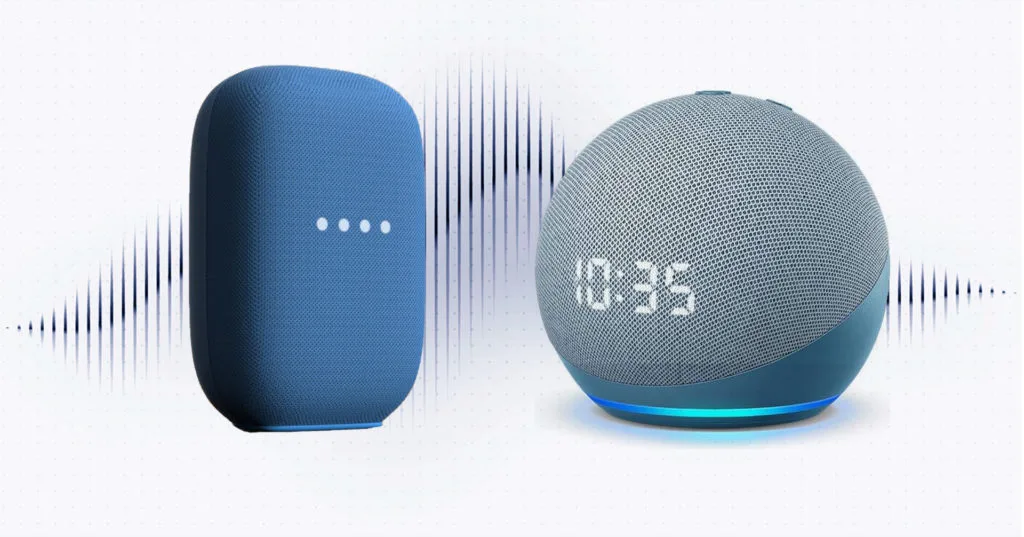
Many buyers compare Google Home directly with Alexa because both platforms support a wide range of smart devices and offer powerful voice assistants.
Voice Recognition
Google Assistant generally performs better when answering questions, understanding conversational language, and searching the web.
Alexa is highly responsive for smart home commands but may occasionally require more specific phrasing.
Winner: Google Home
Smart Device Compatibility
Alexa supports an enormous range of third-party smart home devices and accessories. Google Home also supports many products, but Alexa still has a slight advantage in overall compatibility.
Winner: Amazon Alexa
Ease of Use
Both platforms are beginner-friendly and easy to configure.
Google Home offers a cleaner interface, while Alexa provides more advanced customization options.
Winner: Tie
Apple HomeKit Overview
Apple HomeKit is Apple’s smart home platform, designed for users who are already part of the Apple ecosystem. If you own an iPhone, iPad, Apple Watch, Mac, or HomePod, HomeKit provides a seamless experience with strong privacy and security.
Unlike Google Home and Alexa, Apple takes a more selective approach by supporting fewer—but carefully certified—smart home devices. This ensures better reliability and stronger security standards.
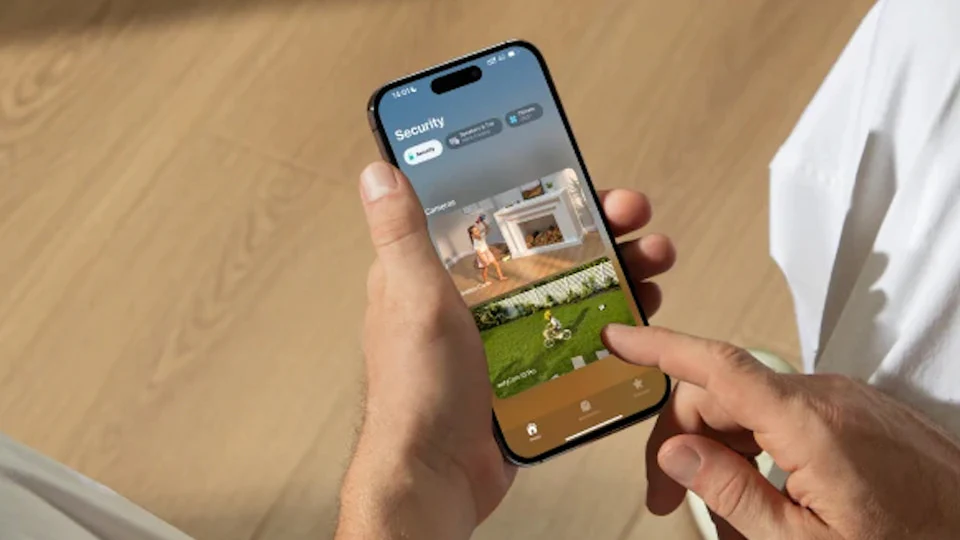
The Home app lets you control lights, cameras, locks, thermostats, sensors, and other smart devices from one place. You can also create automations and use Siri for hands-free control.
Key Features
- Siri voice control
- Apple Home app
- Secure HomeKit Secure Video
- End-to-end encryption
- Scene and automation support
- Matter compatibility
- Remote access through HomePod or Apple TV
Advantages
Excellent privacy and security
Clean and easy-to-use interface
Seamless integration with Apple devices
Reliable automation
Strong encryption
Disadvantages
Supports fewer smart devices than Alexa
Works best only within Apple’s ecosystem
HomePod devices are generally more expensive
Best For
Apple HomeKit is ideal for:
- iPhone users
- Apple ecosystem users
- Privacy-conscious homeowners
- Families already using HomePod or Apple TV
Best Smart Thermostats for Energy Savings
Google Home vs Alexa vs Apple HomeKit: Feature Comparison
1. Voice Assistant
Voice control is the heart of every smart home platform.
Google Assistant
Google Assistant is excellent at understanding natural language. You can ask follow-up questions, search the web, manage your calendar, check traffic, and control your home with conversational commands.
Amazon Alexa
Alexa focuses more on smart home control. It responds quickly and supports thousands of “Skills” that extend its capabilities.
Siri
Siri is reliable for Apple users but is generally less flexible than Google Assistant and Alexa when answering complex questions.
Winner
Google Assistant
2. Smart Device Compatibility
Compatibility determines how many smart products you can connect to your home.
Google Home
Supports thousands of products including:
- Smart bulbs
- Cameras
- Doorbells
- Thermostats
- TVs
- Robot vacuums
- Smart plugs
Amazon Alexa
Alexa supports one of the largest smart home ecosystems available today. Most major manufacturers work with Alexa.
Apple HomeKit
HomeKit supports a smaller selection of certified devices, although Matter support is expanding compatibility every year.
Winner
Amazon Alexa
3. Ease of Setup
Nobody wants to spend hours configuring smart devices.
Google Home
The Google Home app makes setup straightforward and provides clear instructions.
Alexa
Amazon’s Alexa app is also easy to use, especially when adding Echo devices.
HomeKit
Apple users enjoy one of the simplest setup processes thanks to QR-code pairing and seamless iPhone integration.
Winner
Tie
All three platforms are beginner-friendly.
4. Automation
Automation allows your smart home to perform tasks automatically.
For example:
- Turn lights on at sunset.
- Lock doors at bedtime.
- Start the robot vacuum while you’re away.
- Adjust the thermostat when everyone leaves home.
Google Home
Offers powerful routines with excellent Google Assistant integration.
Alexa
Provides advanced automation with highly customizable routines and third-party integrations.
HomeKit
Apple focuses on simple but reliable automations, especially when combined with HomePod.
Winner
Amazon Alexa
5. Privacy & Security
Privacy has become one of the biggest concerns for smart home users.
Google Home
Google provides security features, account protection, and regular updates. However, it collects data to improve personalization.
Amazon Alexa
Amazon also offers strong security but users should review privacy settings and voice recordings regularly.
Apple HomeKit
Apple leads the industry in privacy.
HomeKit Secure Video encrypts recordings, and Apple collects less personal data compared to many competitors.
Winner
Apple HomeKit
6. Mobile Apps
Managing your smart home should be simple.
Google Home App
- Clean interface
- Fast navigation
- Excellent device organization
Alexa App
- Feature-rich
- Highly customizable
- Slightly more complex
Apple Home App
- Beautiful design
- Easy to navigate
- Works seamlessly with Apple devices
Winner
Google Home & Apple HomeKit (Tie)
7. Smart Speakers
Each ecosystem has its own smart speakers.
- Nest Mini
- Nest Audio
Amazon
- Echo Dot
- Echo
- Echo Studio
Apple
- HomePod Mini
- HomePod
Amazon currently offers the widest range of smart speakers across different price points.
Winner
Amazon Alexa
8. Pricing
Budget is often an important factor.
Google Home
Google Nest speakers are reasonably priced and frequently discounted.
Amazon Alexa
Amazon Echo devices are among the most affordable smart speakers available.
Apple HomeKit
Apple products are premium-priced but offer excellent build quality and privacy.
Winner
Amazon Alexa
Which Smart Home System Should You Choose?
Choose Google Home if you:
- Use an Android phone.
- Rely on Google services every day.
- Want the smartest voice assistant.
- Prefer a clean, user-friendly interface.
Choose Amazon Alexa if you:
- Plan to build a large smart home.
- Want the widest device compatibility.
- Prefer advanced automations.
- Need affordable smart speakers.
Choose Apple HomeKit if you:
- Own an iPhone, iPad, or Mac.
- Value privacy above everything else.
- Want secure home automation.
- Already use Apple products daily.
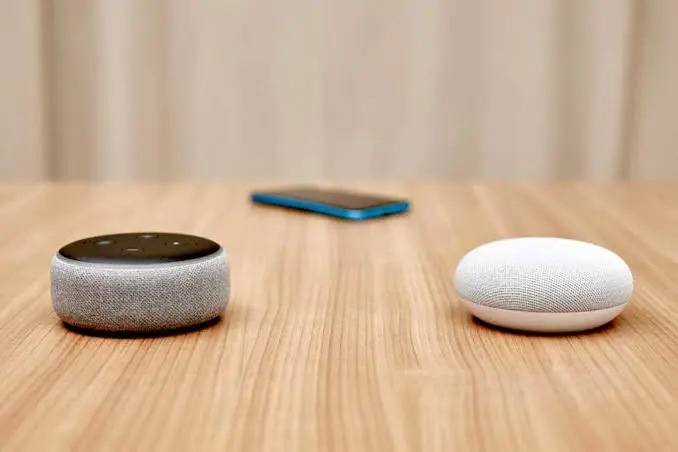
Matter: Why It Changes Everything for Smart Homes
If you’ve been researching smart home devices, you’ve probably come across the term Matter. Matter is a universal smart home standard developed to improve compatibility between devices from different brands.
Previously, many smart devices only worked with specific ecosystems. Matter changes this by allowing compatible products to work across Google Home, Amazon Alexa, Apple HomeKit, and other supported platforms.
Benefits of Matter
- Better compatibility
- Easier device setup
- Faster connections
- More reliable smart home performance
- Greater flexibility when switching ecosystems
If you’re buying new smart home devices in 2026, choosing Matter-compatible products is a smart investment because they are more future-proof.
Common Mistakes to Avoid When Choosing a Smart Home System
Many buyers regret their purchase because they don’t think about long-term compatibility. Avoid these common mistakes before investing in smart home products.
Buying Without Checking Compatibility
Always confirm that a device works with your preferred smart home ecosystem. This simple step can save you money and frustration.
Mixing Too Many Ecosystems
Using Google Home, Alexa, and HomeKit together can make your setup more complicated. Unless you have a specific reason, it’s usually better to stick with one main ecosystem.
Ignoring Privacy Settings
Voice assistants collect different types of data. Take a few minutes to review privacy settings, disable features you don’t need, and enable two-factor authentication whenever available.
Buying Based Only on Price
The cheapest smart speaker isn’t always the best value. Consider reliability, software updates, compatibility, and customer support before making a decision.
Best Robot Vacuums, Effortless Cleaning
Buying Guide: How to Choose the Right Smart Home Platform
Before selecting an ecosystem, ask yourself these questions.
1. Which Smartphone Do You Use?
- Android: Google Home is usually the best fit.
- iPhone: Apple HomeKit offers seamless integration.
- Mixed devices: Amazon Alexa is often the most flexible option.
2. How Many Smart Devices Will You Add?
If you plan to automate your entire home, choose a platform with broad device compatibility and strong automation features.
3. Is Privacy Important to You?
If privacy is your top priority, Apple HomeKit is generally the strongest choice thanks to its emphasis on encryption and on-device security.
4. What’s Your Budget?
- Budget-friendly: Amazon Alexa
- Balanced: Google Home
- Premium: Apple HomeKit
5. Think Long-Term
Changing ecosystems later can be expensive. Choose a platform that can grow with your needs over the next few years.
FAQs
Which smart home system is best for beginners?
Google Home and Amazon Alexa are both excellent choices for beginners. They are easy to set up, support a wide range of devices, and offer intuitive mobile apps.
Which platform has the best privacy?
Apple HomeKit stands out for its strong privacy features, including end-to-end encryption and HomeKit Secure Video.
Can I use Google Home and Alexa together?
Yes, but managing two ecosystems can make your smart home more complex. Most users have a smoother experience by choosing one primary platform.
Do all smart devices work with every ecosystem?
No. Always check compatibility before buying. While Matter is improving cross-platform support, some products still work best within a specific ecosystem.
Which smart home platform offers the best value?
For many users, Amazon Alexa provides excellent value because of its affordable hardware and broad compatibility. However, the best choice depends on your devices, budget, and preferences.